> For the complete documentation index, see [llms.txt](https://resources.viewrail.com/llms.txt). Markdown versions of documentation pages are available by appending `.md` to page URLs; this page is available as [Markdown](https://resources.viewrail.com/guides/planning/choose-the-right-railing-for-your-project/handrail-options-for-stairs-decks-and-interiors.md).
# Handrail Options for Stairs, Decks, and Interiors
Compare stainless steel, aluminum, and wood handrail options, profiles, and code requirements.
Choosing a handrail may sound simple, but once you start digging into materials, profiles, mounting styles, and code requirements, there's more to it than you might expect. This guide walks you through the main options so you can make a confident decision for your project.
If you are still choosing the full railing system, start with [What Railing Should I Choose for My Stairs?](/guides/planning/choose-the-right-railing-for-your-project/what-railing-should-i-choose-for-my-stairs.md).
#### Handrail vs. Guardrail: Know the Difference
Before diving in, it helps to understand a distinction that trips people up all the time: handrails and guardrails are not the same thing.
A **guardrail** (sometimes just called "railing") is the barrier system around your deck, balcony, or open stair. Its job is to prevent a fall off the edge of a structure.
A **handrail** is what you actually grab while going up or down stairs. It runs along the incline of a stairway and provides grip and stability. Handrails can be mounted to posts as part of a full railing system, or they can attach directly to a wall using brackets, both are valid options depending on your layout and style.
Getting clear on this distinction matters early because the two components have separate code requirements.
### Common handrail materials at a glance
{% columns %}
{% column %}
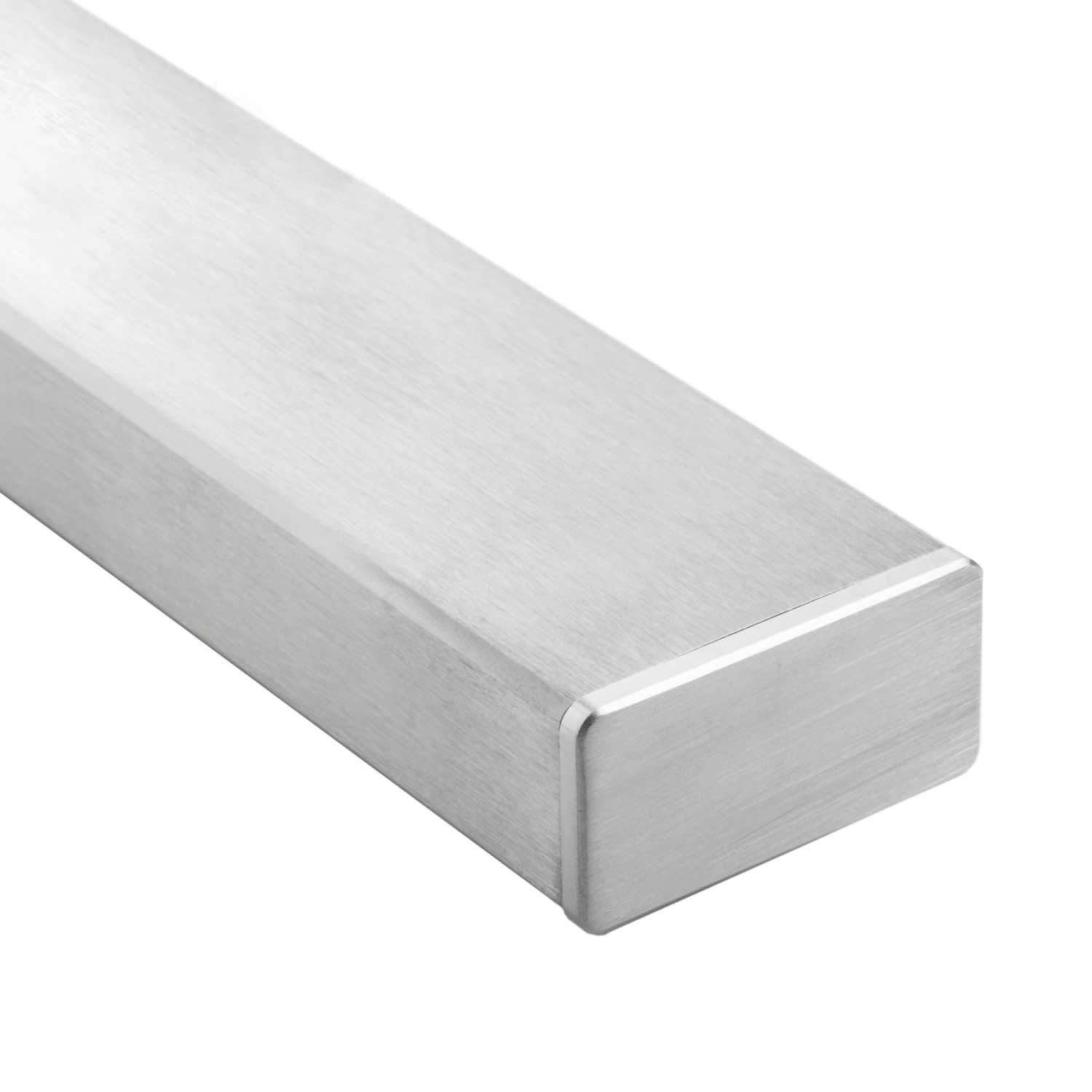
#### Stainless steel
Strong, clean, and ready for interior or exterior use.
{% endcolumn %}
{% column %}
#### Aluminum
Lightweight and ideal when powder coat color matters.]
{% endcolumn %}
{% column %}
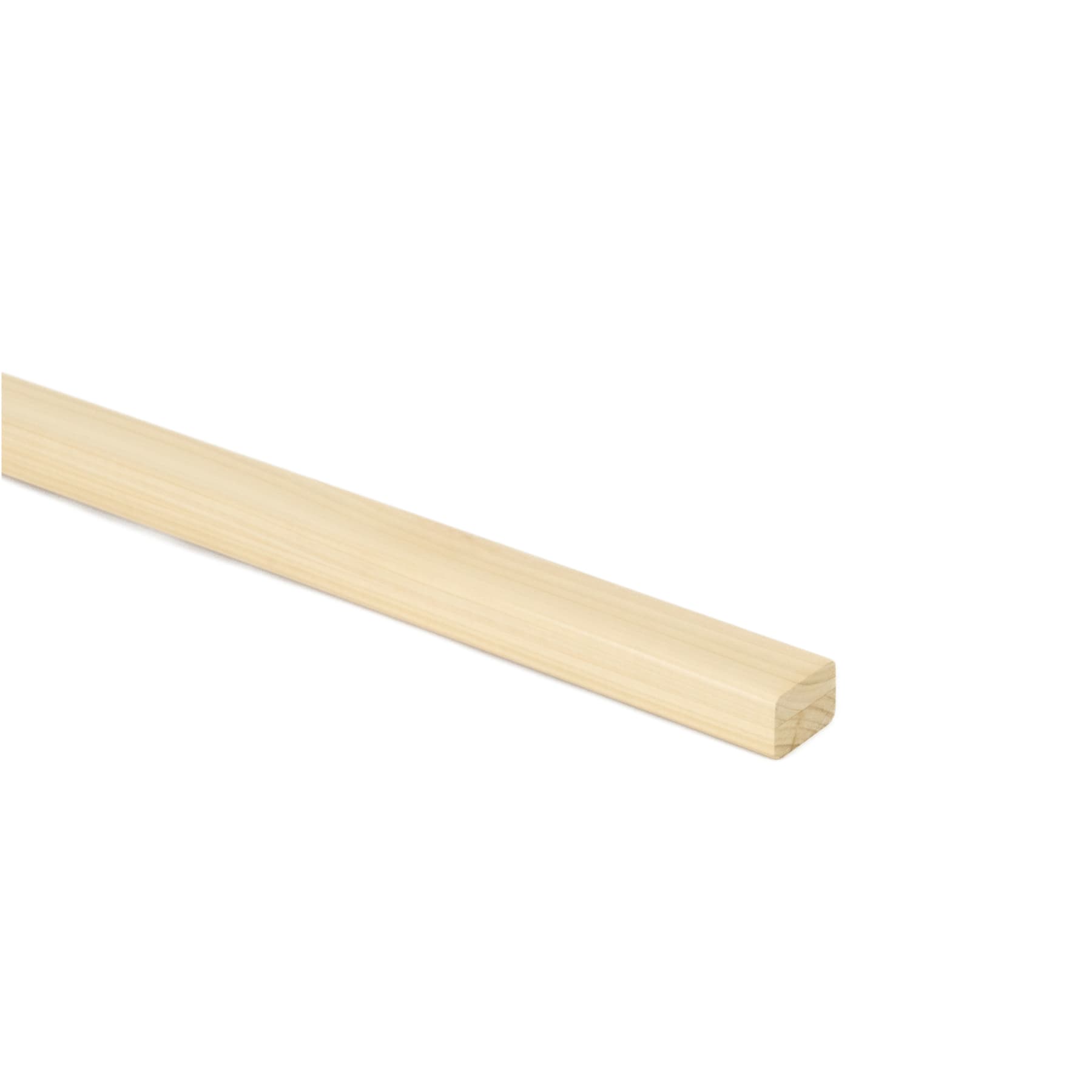
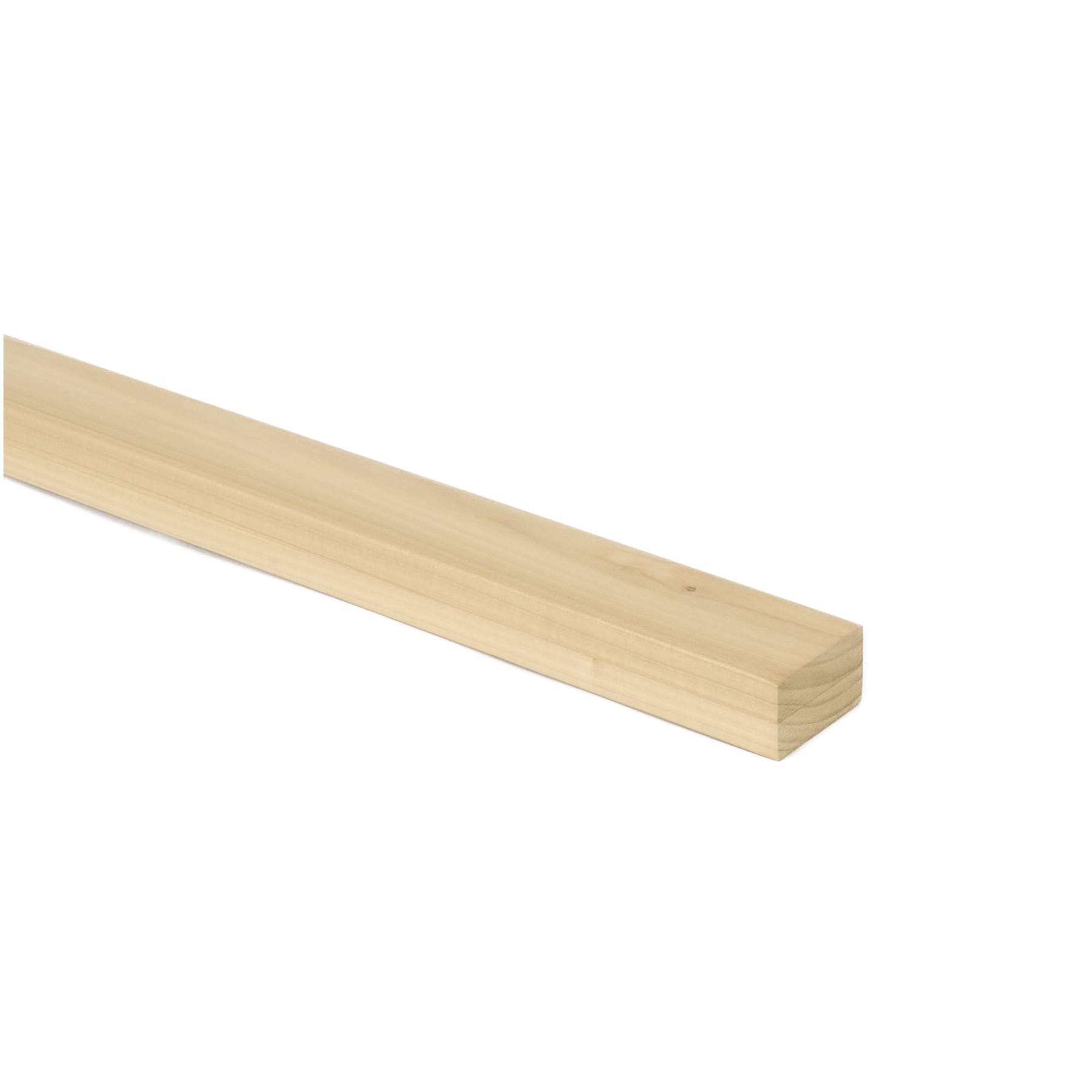
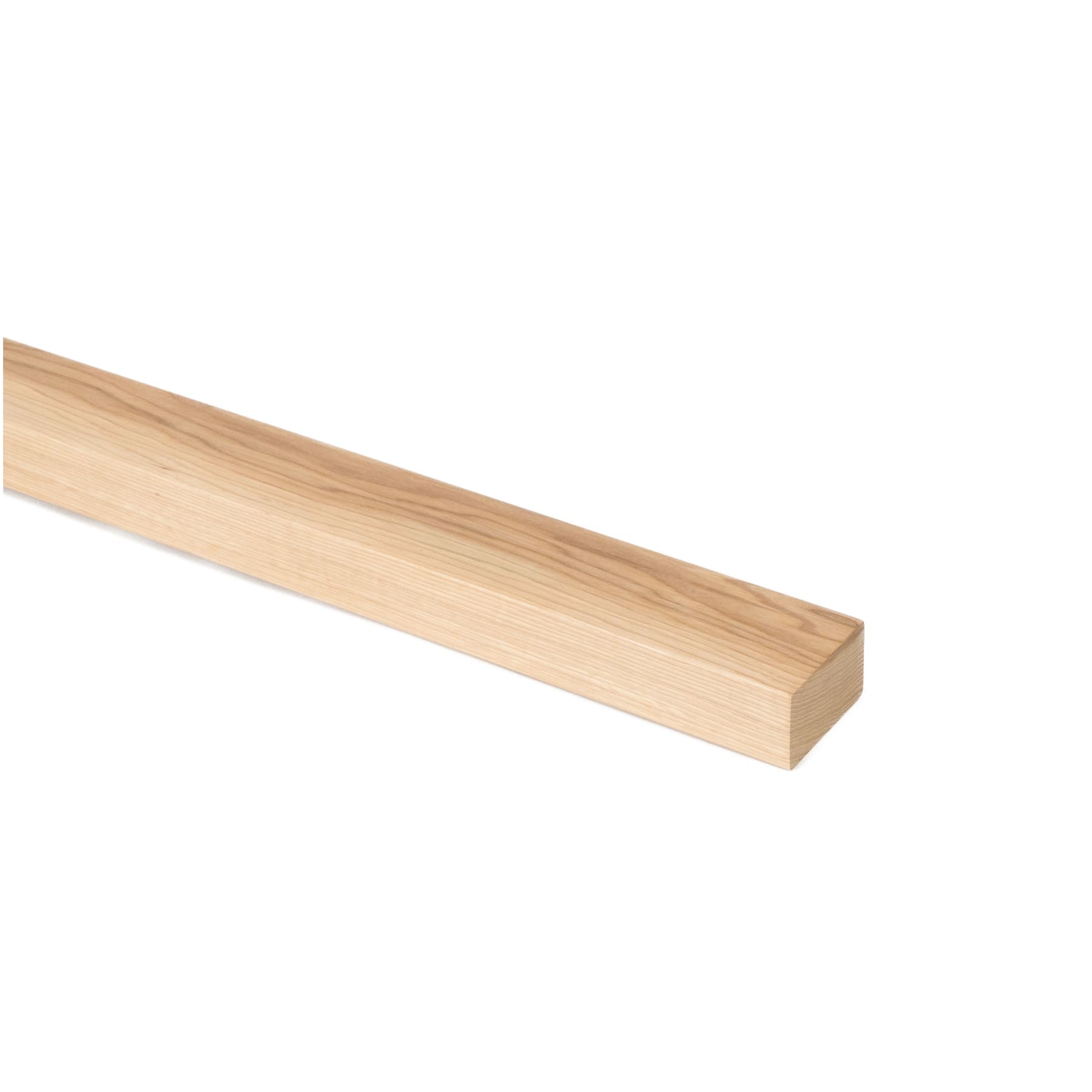
#### Wood
Warm, customizable, and best for interior design flexibility.
{% endcolumn %}
{% endcolumns %}
### Handrail materials
The material you choose affects durability, maintenance, appearance, and cost. The main options are stainless steel, aluminum, and wood.
**Stainless Steel**
Stainless steel handrail is a strong, low-maintenance option that works well indoors and outdoors. Viewrail offers two grades:
* **304 Stainless Steel** — suitable for interior use or exterior applications at least 5 miles from saltwater
* **2205 Stainless Steel** — a marine-grade alloy with a PREN score of 34–35, which exceeds the 32+ threshold needed for full corrosion resistance in coastal and saltwater environments
If you're building near the coast, 2205 is the right call. It's the same grade used on deep-sea oil rigs and marine infrastructure precisely because it holds up where other steels fail.
For a deeper breakdown of coastal performance, see [Why 2205 Stainless Steel Is the Gold Standard for Coastal Railing](/guides/about-stairs-and-railing/railing-system-deep-dives/why-2205-stainless-steel-is-the-gold-standard-for-coastal-railing.md).
Stainless steel handrail is available in a 1" × 2" rectangular profile and can be finished in a brushed stainless look or powder coated. Round profiles (1.5" and 2" diameter) in 316 stainless are also available for non-coastal use.
**Aluminum**
Aluminum resists rust and corrosion and takes a powder coat finish beautifully, better than stainless steel, in fact, because the softer metal creates a surface that bonds very well with powder coat. It's a smart choice for projects where you want a specific color finish.
Aluminum handrail is a solid option for interior and exterior use in non-coastal environments. It's not recommended for locations close to saltwater.
Viewrail's aluminum handrail comes in a 1" × 2" profile designed to sit flush on top of cable railing posts or attach to a wall-mount bracket.
If finish is a major part of your decision, compare [Choose a Signature Powder Coat](/guides/planning/how-can-i-customize-my-cable-railing/choose-a-signature-powder-coat.md) and [Choose a Powder Coat](/guides/planning/how-can-i-customize-my-glass-railing/choose-a-powder-coat.md).
**Wood**
Wood handrail brings warmth and design flexibility that metal can't match. It works well in traditional, transitional, and contemporary homes alike, and it's especially useful when you need to navigate tight corners indoors as wood can be cut and joined more easily than metal.
The trade-off is maintenance. Wood requires more upkeep over time than metal, especially in exterior settings.
See the [wood stair tread and handrail maintenance guide](/guides/maintenance/how-do-i-maintain-wood-stair-treads-and-handrails.md) for cleaning, humidity, and resealing guidance.
Viewrail offers wood handrail in multiple species — including Red Oak, Hard Maple, White Oak, Hickory, Walnut, and Ash — with over 50 stain options. For exterior applications, Viewrail's **Endurance Series** wood is thermally modified (without chemicals) to resist moisture, rot, and mildew. It's available for non-coastal, exterior use and is rated for level runs on deck railing. Most other wood handrail profiles are designed for interior use only.
If you want to compare actual profile shapes, jump to [Compare Handrail Profiles](/guides/planning/choose-the-right-railing-for-your-project/compare-handrail-profiles.md).
#### Handrail Profiles
The profile is the cross-section shape you see and grab. It affects the look, feel, and code fit of the rail.
The fastest way to compare shapes is [Compare Handrail Profiles](/guides/planning/choose-the-right-railing-for-your-project/compare-handrail-profiles.md). Use this summary to narrow the field first.
**Common metal profiles**
{% columns %}
{% column %}
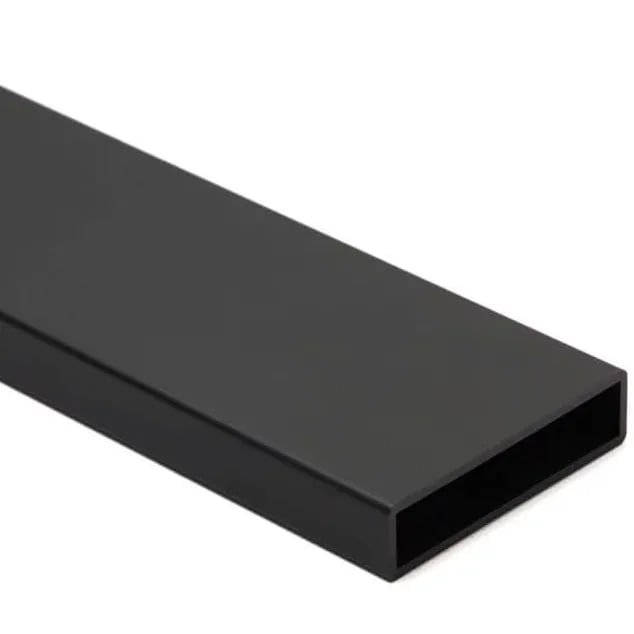
#### Beverage
Wide 1" × 4" profile for a broader top rail.
[Shop Beverage Handrail](https://shop.viewrail.com/1-x-4-handrail/p/937484/)
{% endcolumn %}
{% column %}
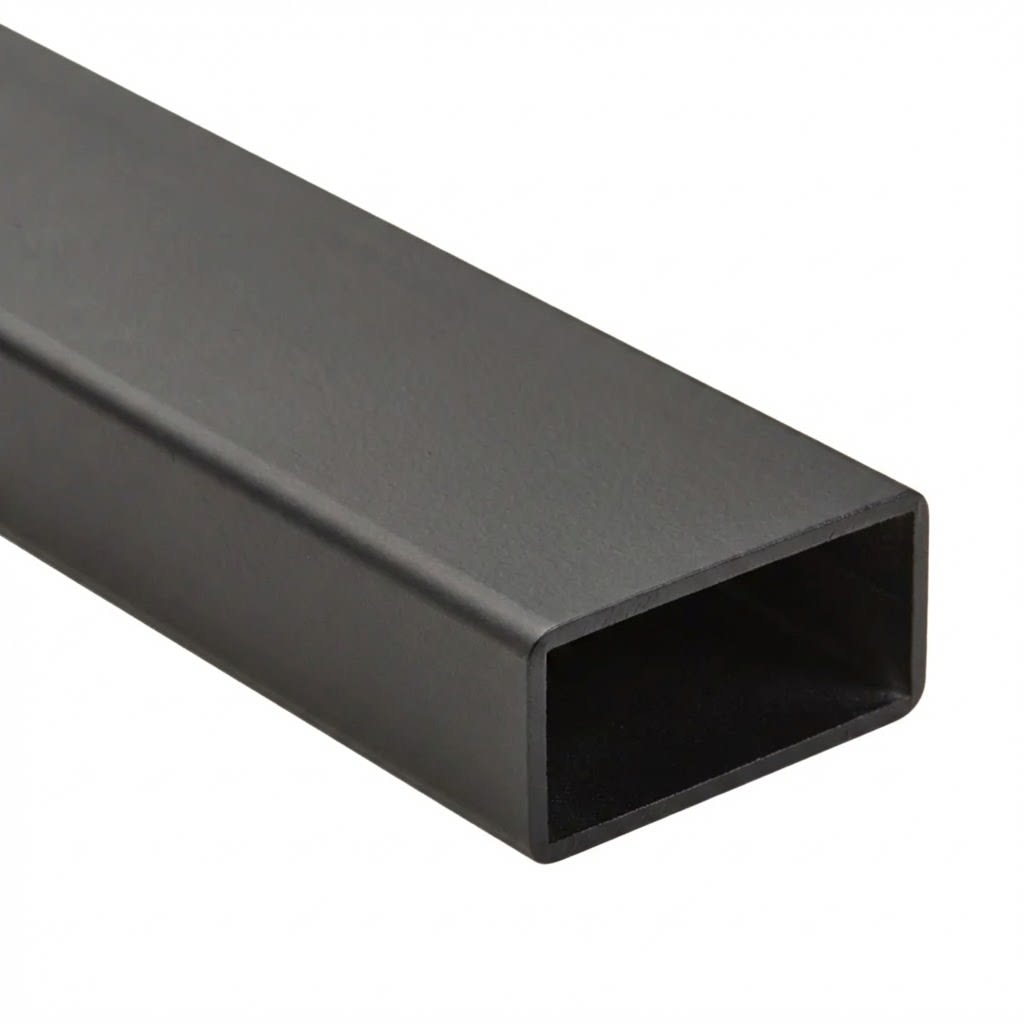
#### 1" × 2" Steel
Slim profile for Signature and Express posts.
[Shop 1" x 2" Handrail](https://shop.viewrail.com/1-x-2-handrail/p/128867/?finish=standard-black)
{% endcolumn %}
{% column %}
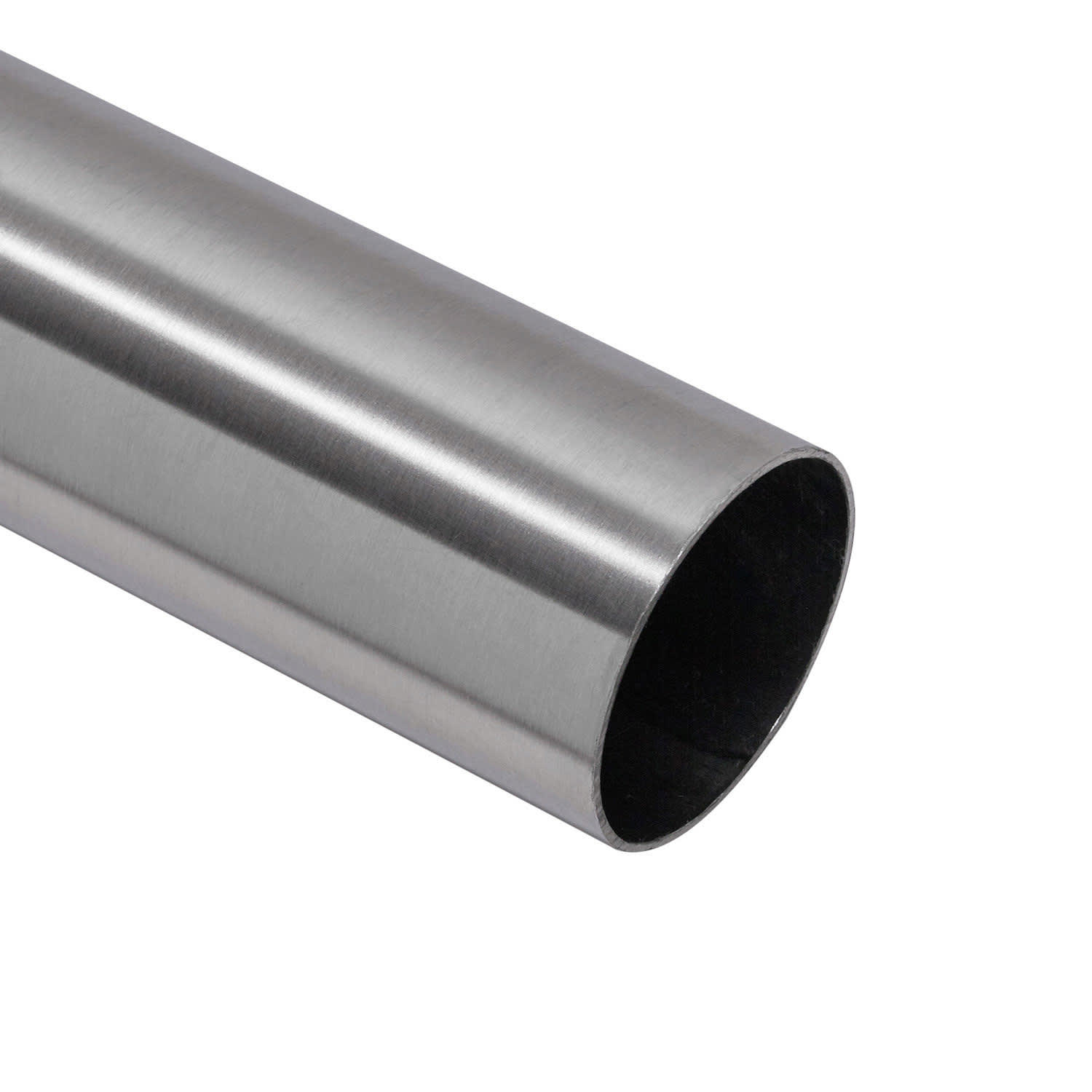
#### 2" Round Steel
Round profile for modern interiors and exteriors.
[Shop Round Handrail](https://shop.viewrail.com/2-round-metal-handrail/p/150557/)
{% endcolumn %}
{% endcolumns %}
* **Beverage** — 1" × 4" profile for interior or exterior use. Available in aluminum, 304 stainless steel, or 2205 stainless steel. Best when you want a wide top rail.
* **1" × 2" Steel** — the standard slim metal profile for cable and rod railing. Available in aluminum, 304 stainless steel, or 2205 stainless steel for interior or exterior use.
* **2" Round Steel** — available in 1.5" or 2" round 316 stainless steel. Best for a softer profile. Use it in non-coastal interior or exterior settings.
**Common wood profiles**
{% columns %}
{% column %}
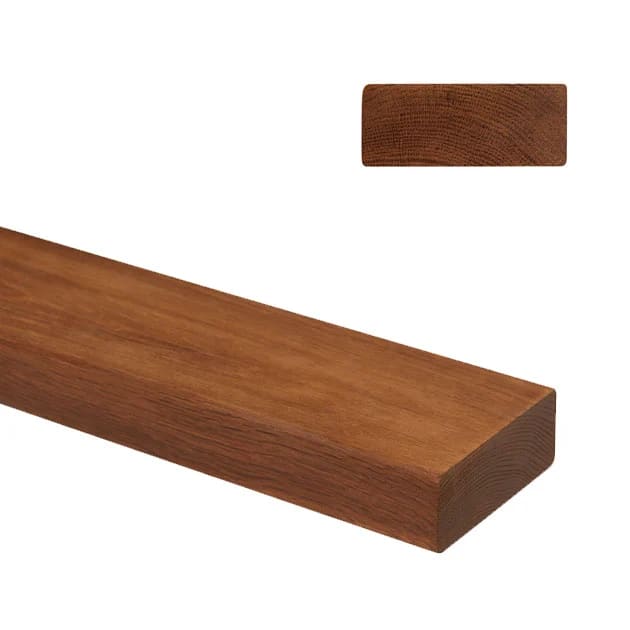
#### 6200
Slim rectangular profile for clean interior runs.
[Shop 6200 Handrail](https://shop.viewrail.com/6200-handrail/p/608027/)
{% endcolumn %}
{% column %}
#### 6000 Mission
Flat-top profile with a broader furniture feel.
[Shop 6000 Handrail](https://shop.viewrail.com/6000-handrail/p/30652/)
{% endcolumn %}
{% column %}
#### 6002 Solid
The 6000 look in a solid, no-glue-joint build.
[Shop 6002 Handrail](https://shop.viewrail.com/6002-handrail/p/132325/)
{% endcolumn %}
{% endcolumns %}
Here are the main wood profiles to compare:
* **6084** — graspable interior profile with an inward finger recess. A strong fit when code compliance drives the choice.
* **5600 Series** — shaped interior profile with a warmer, more traditional grip.
* **6000 Mission** — rectangular interior profile with a flat top. It may not count as graspable in many jurisdictions.
* **6002 Solid** — solid-wood version of the 6000 shape. Best when you want the same look with no glue joints.
* **6004 Graspable** — bold interior profile with two finger slots. Often used where a dedicated graspable rail is needed.
* **6005 Series** — 4" wide interior beverage rail profile. Useful when you want a broader top surface.
* **6200 Series** — slim rectangular interior profile that fits many modern spaces and many residential graspability needs.
* **6001 Ipe Series** — simple rectangular Ipe profile for exterior or interior projects.
* **6007 Series** — broad top rail with solid construction. Endurance versions are available for exterior use.
For a full visual comparison, including 5600, 6005, 6007, 6001 Ipe, and glass cap profiles, see [Compare Handrail Profiles](/guides/planning/choose-the-right-railing-for-your-project/compare-handrail-profiles.md).
#### Mounting Options: Top Rail vs. Wall-Mounted
How your handrail mounts depends on your setup:
* **Top rail handrail** sits on top of railing posts and is part of a full railing system. This is the most common configuration for open stairs, decks, and balconies.
* **Wall-mounted handrail** attaches directly to the wall via brackets. This is ideal for closed stairways — hallways, basements, and interior stairs along a wall — where posts aren't part of the design.
Viewrail offers stainless steel wall-mount brackets compatible with their metal handrail. If you're mounting to concrete rather than wood framing, you'll need to source your own concrete anchors, but customers have done this successfully with standard handrail brackets.
If your handrail will sit on cable posts, compare [Cable Railing Post Mounting Styles Compared](/guides/planning/choose-the-right-railing-for-your-project/cable-railing-post-mounting-styles-compared.md) before you finalize the layout.
#### Handrail Code Requirements
Handrail is a required safety feature in most residential and commercial stairway applications. Here's what you need to know at a high level:
**Residential (IRC):**
* Handrails are required on at least one side of any stair with four or more risers
* Height must be between 34" and 38", measured vertically from the stair nosing
* Handrails must run continuously for the full length of the flight
* Circular handrails must be 1¼" – 2" in diameter; non-circular profiles must have a perimeter between 4" and 6¼" with a maximum cross-section of 2¼"
* There must be at least 1½" of clearance between the handrail and any wall
**Commercial (IBC / ADA):**
* More stringent requirements apply in commercial settings
* Graspability requirements are stricter, and handrails are typically required on both sides of a stair
* Consult ADA Standards for Accessible Design for specific dimensions
Keep in mind that guardrail height is a separate requirement from handrail height. Residential guardrails must be at least 36" above the walking surface per the IRC, while commercial guardrails typically require 42".
Local jurisdictions can adopt their own amendments to the IRC or IBC, so always check with your local building department before finalizing your design.
If you are choosing both the guard and the handrail together, see [What Railing Should I Choose for My Stairs?](/guides/planning/choose-the-right-railing-for-your-project/what-railing-should-i-choose-for-my-stairs.md).
#### How to Choose the Right Handrail
Use this quick reference to narrow your options:
* **Coastal location** → 2205 stainless steel is the right choice for metal handrail; aluminum works for non-coastal outdoor use
* **Interior stairs with tight corners** → wood handrail offers the most flexibility for cuts and transitions
* **Code-required graspability** → look for profiles like the 6200, 6084, or 6004 specifically designed to meet graspability requirements
* **Exterior deck (non-coastal)** → Endurance Series wood or aluminum handrail both work well
* **Wall-only installation** → wall-mount brackets with a 1" × 2" metal handrail or a round metal handrail keep things clean and minimal
If you're not sure which option fits your project, Viewrail's design team can help you work through the details.
### Related topics
#### Plan your handrail
* [Compare Handrail Profiles](/guides/planning/choose-the-right-railing-for-your-project/compare-handrail-profiles.md) — Compare common handrail profile shapes.
* [Why 2205 Stainless Steel Is the Gold Standard for Coastal Railing](/guides/about-stairs-and-railing/railing-system-deep-dives/why-2205-stainless-steel-is-the-gold-standard-for-coastal-railing.md) — Go deeper on coastal material selection.
* [What Railing Should I Choose for My Stairs?](/guides/planning/choose-the-right-railing-for-your-project/what-railing-should-i-choose-for-my-stairs.md) — Match your handrail to the right stair railing system.
* [How Can I Customize My FLIGHT Staircase?](/guides/planning/how-can-i-customize-my-flight-staircase.md) — Review stair, railing, and top cap options together.
#### Choose by system
* [Choose a Signature Handrail](/guides/planning/how-can-i-customize-my-cable-railing/choose-a-signature-handrail.md) — See handrail options for cable railing projects.
* [Choose a Handrail or Top Cap](/guides/planning/how-can-i-customize-my-glass-railing/choose-a-handrail-or-top-cap.md) — Compare handrails and top caps for glass railing.
#### Compare railing systems
* [What is Cable Railing?](/guides/about-stairs-and-railing/what-is-cable-railing.md) — Learn how cable railing systems use top rails and handrails.
* [What is Glass Railing?](/guides/about-stairs-and-railing/what-is-glass-railing.md) — Compare glass guards, top rails, and separate handrails.
* [Cable Railing Post Mounting Styles Compared](/guides/planning/choose-the-right-railing-for-your-project/cable-railing-post-mounting-styles-compared.md) — See which post styles support your handrail layout.
#### Next steps
* [How Do I Install a Cable Railing System?](/guides/install/how-do-i-install-a-cable-or-rod-railing-system.md) — Review tools, post layout, and handrail attachment.
* [How to Install Railing Posts On Decks](broken://spaces/YiIQ32eyDEEMOXuUTd8u/pages/EUKrlPOh5yU2gDh4usML) — Plan post placement before you attach the handrail.
[Contact our team](https://www.viewrail.com/contact/) for help choosing the right handrail material, profile, or mounting style.
---
# Agent Instructions
This documentation is published with GitBook. GitBook is the documentation platform designed so that both humans and AI agents can read, navigate, and reason over technical content effectively. Learn more at gitbook.com.
## Querying This Documentation
If you need additional information that is not directly available in this page, you can query the documentation by asking a question.
Perform an HTTP GET request on the following URL with the `ask` and `goal` query parameters:
```
GET https://resources.viewrail.com/guides/planning/choose-the-right-railing-for-your-project/handrail-options-for-stairs-decks-and-interiors.md?ask=&goal=
```
`ask` is the immediate question: it should be specific, self-contained, and written in natural language.
`goal` is what the user is ultimately trying to achieve, the reason they need the answer. Sharing it helps GitBook give you a better, more relevant answer. A goal is most helpful when it describes the outcome the user wants rather than restating the question. For example, with `ask=how do I create an API token`, a goal like `automate deployments from our CI pipeline` lets GitBook tailor the answer to that use case.
The response will contain a direct answer to the question and relevant excerpts and sources from the documentation.
Use this mechanism when the answer is not explicitly present in the current page, you need clarification or additional context, or you want to retrieve related documentation sections.